
Discover one of the most beautifully furnished châteaux in the Loire Valley
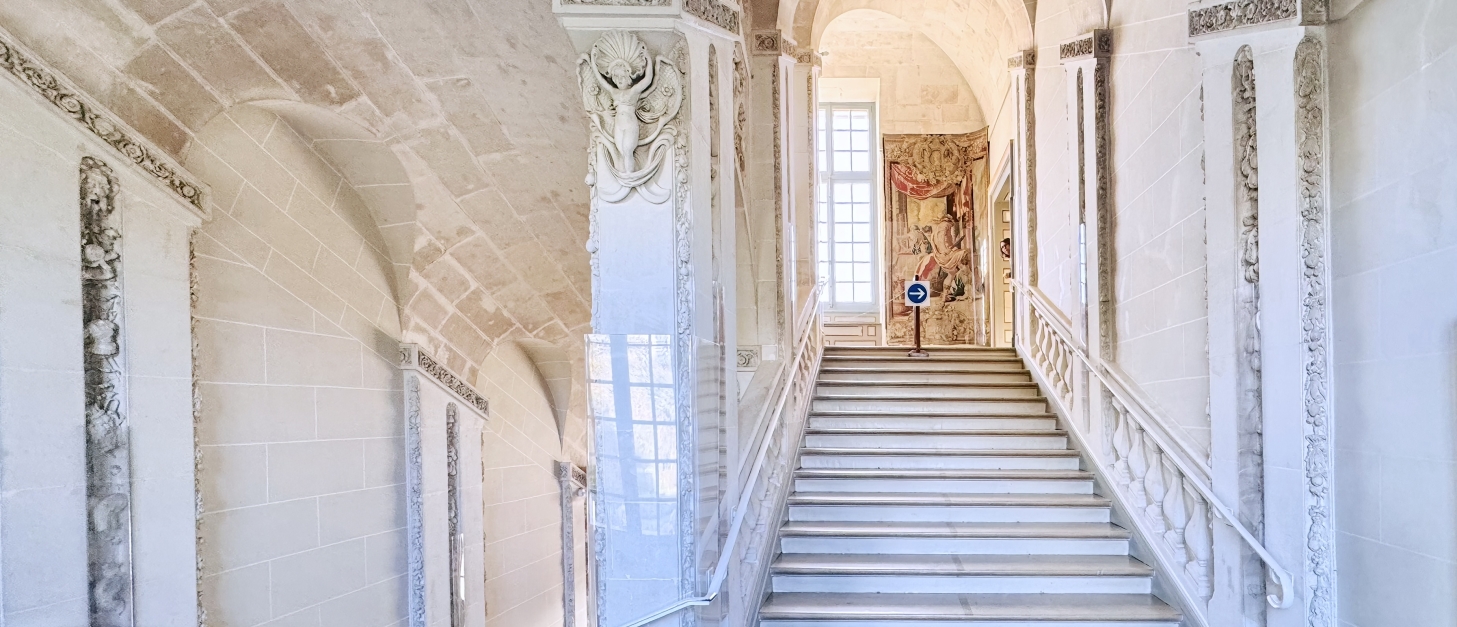
The château features unique pieces of furniture and remarkably preserved interior fittings.
The tour covers three levels: the ground floor, first floor, and second floor.
In total, 17 rooms are open to visitors, while the Hurault de Vibraye family resides in the right-hand wing.
Highlights of the visit
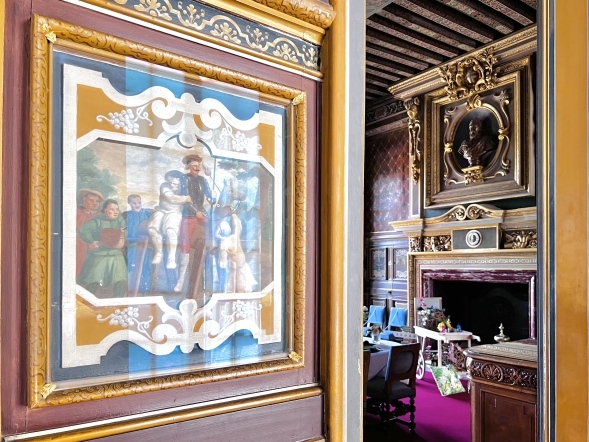
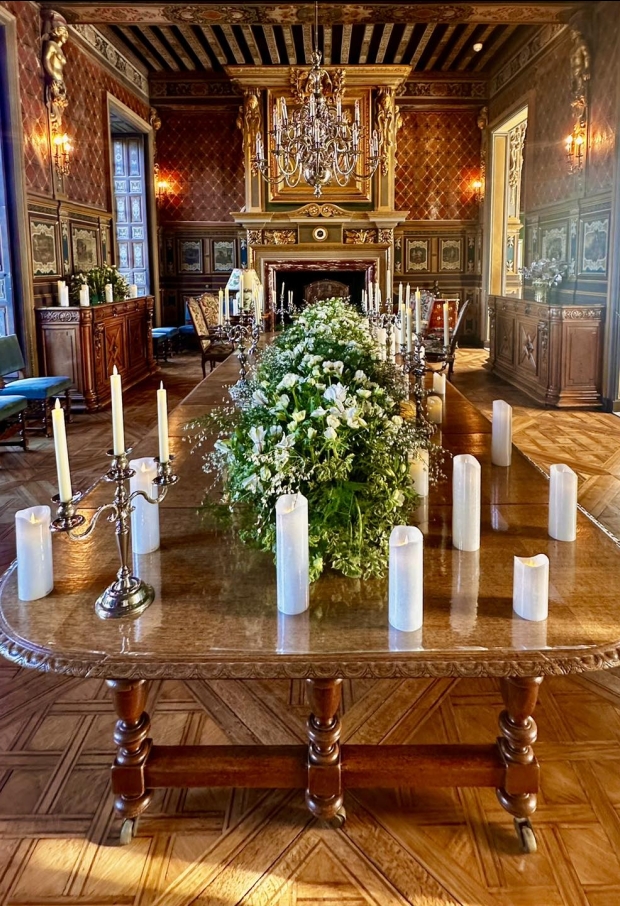
The Dining Room
On the ground floor, the gallery and the Dining Room, whose walls are lined with Cordoba leather, contain 34 wooden panels painted by Jean Mosnier (1600–1656).
Mosnier, noticed by Marie de’ Medici, is also known for his work at the Luxembourg Palace.
The panels in this room illustrate the story of Don Quixote, the major work of the Spanish Golden Age written by Miguel de Cervantes.
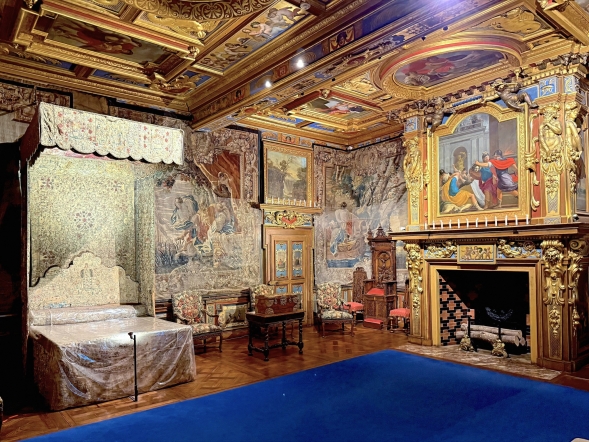
The King’s Bedchamber
Considered the château’s most richly decorated room, the King’s Bedchamber on the first floor features:
Paintings by Jean Mosnier (1600–1656)
30 scenes inspired by the story of Theagenes and Chariclea, painted on the panelling
A bed with Persian embroidery in which King Henri IV once slept
Six tapestries from the "Ateliers de Paris", titled The Labours of Ulysses (c. 1640)
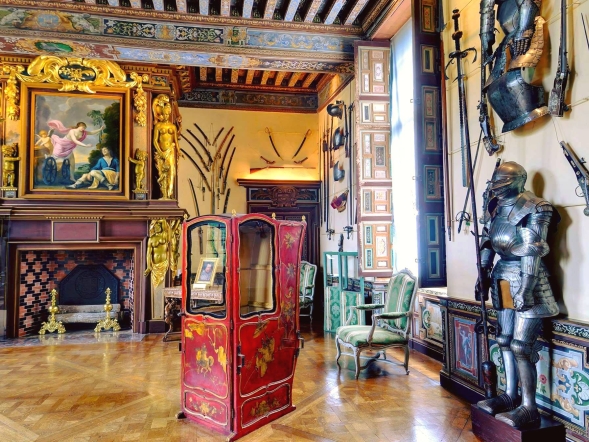
The arms room
Preserved in its original state since the 17th century, this is the château’s largest room and boasts an exceptional décor.
Its French-style ceiling combines floral motifs, garlands, and coats of arms.
The fireplace draws the eye with its sculptures of Mercury and Venus framing Jean Mosnier’s painting The Death of Adonis.
On the wall hangs an exceptional 17th‑century tapestry from the Gobelins Manufactory, depicting the abduction of Helen by Paris.
The room also displays numerous weapons and armour from the 15th, 16th and 17th centuries, as well as the history of the Vibraye Dragoons regiment.
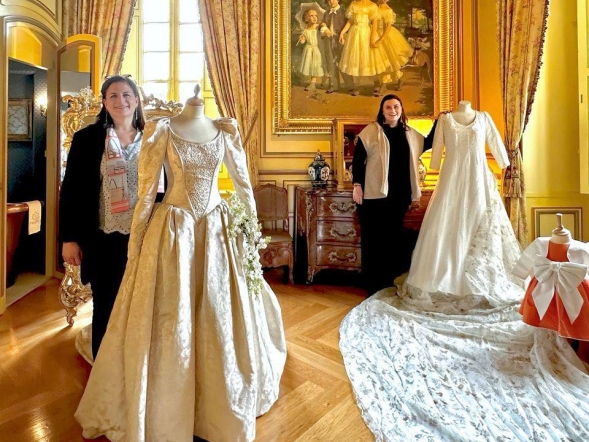
The Private Apartments
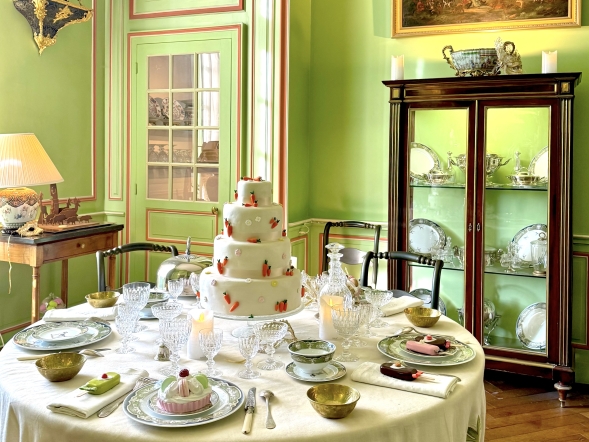
On the first floor, the private apartments illustrate the French art of living: the birth room, the children’s bedroom, the private dining room…
The bridal bedroom displays two family wedding dresses:
The dress worn by Constance de Vibraye for her marriage to Charles‑Antoine de Vibraye, the current owner, in 1994
The dress worn by their eldest daughter, Isaure, who married at the château on 1 July 2023
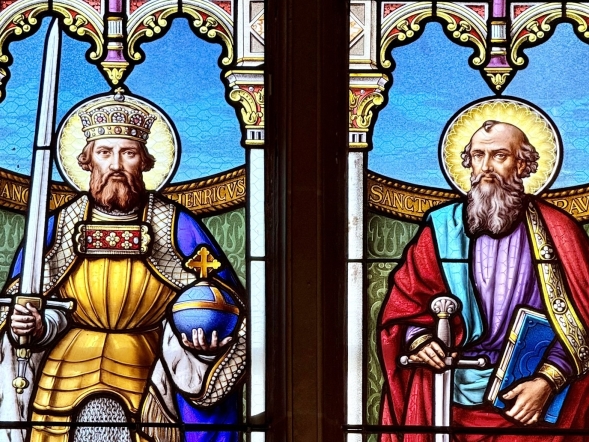
The chapel
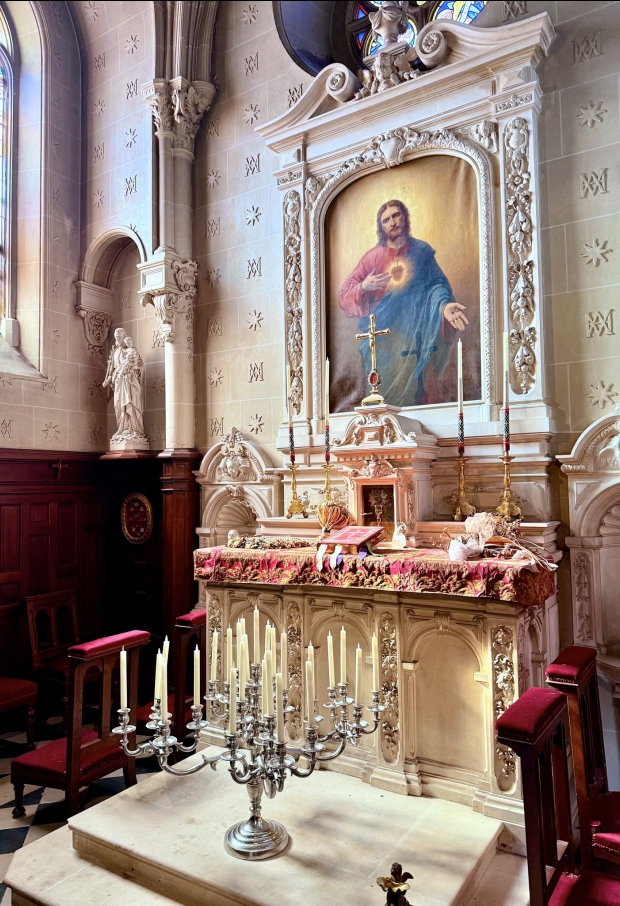
At the top of the château lies the chapel, open to visitors since 2014.
Although its ribbed vaults date from the 17th century, it was only completed in the 19th century.
It had been planned in the original designs, but only the vault was built at first.
The owners completed and embellished it in the early 19th century, choosing the “troubadour” style, then very fashionable and characterised by an idealised vision of the Middle Ages and the Renaissance.
On the walls, carved suns recall the arms of the Hurault family, along with the interlaced H and M for Henri Hurault, founder of the present château in the 17th century, and Marguerite Gaillard de la Morinière, his second wife.
Masterpieces of painting
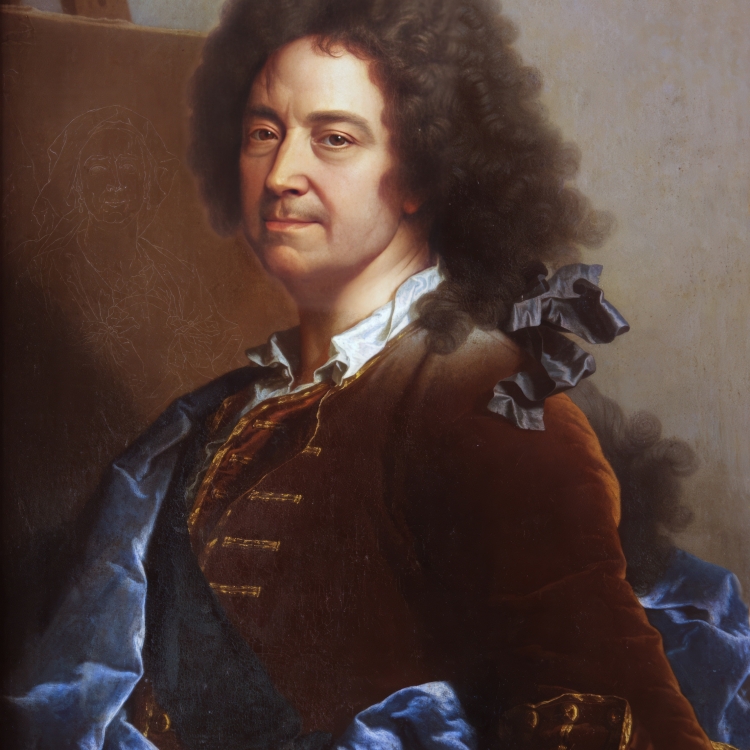
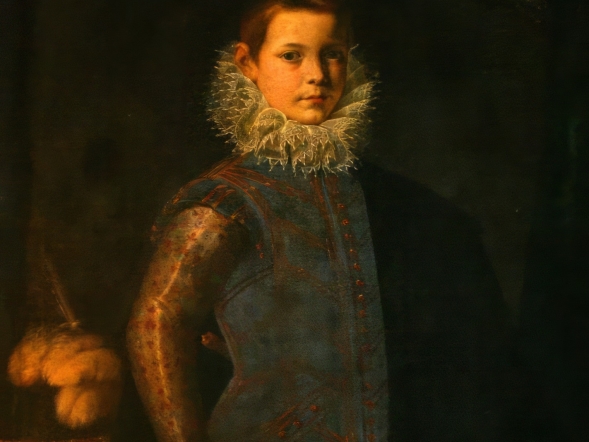
Cheverny holds many other pictorial treasures, displayed in the ground‑floor rooms.
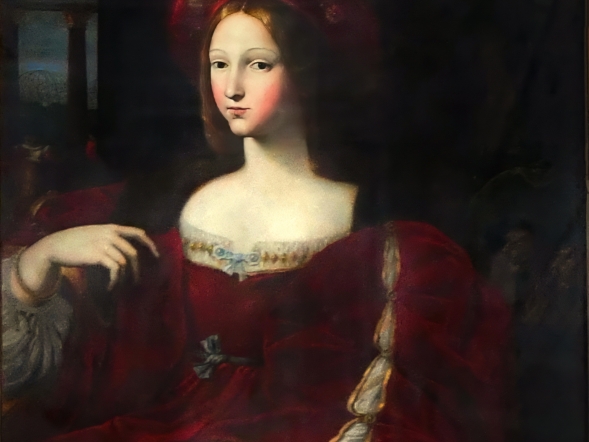
In the great drawing room, the gallery and the music room, you will find works attributed to major masters of painting, including:
Hubert Robert
Hyacinthe Rigaud
Pierre Mignard
Titian
Raphael
Self‑Guided Tour
Upon entering the château, you will be welcomed by a member of staff and given an 11‑page visitor booklet (included in the ticket).
It leads you from room to room and allows you to explore the interiors independently.
The average visit lasts around 40 minutes.
The visitor booklet is available in several languages.
Guided tour
Accompanied by a member of staff, you will discover the secrets of the château’s interiors.
Over 45 minutes, you will travel through time, following the history of the estate: from the acquisition of the first lands in the 14th century, to the construction of the new château in the Grand Siècle, the 19th‑century developments, and the opening to the public in 1922.
From room to room, you will discover furniture, the French art of living, and masterpieces of painting.
In Octobre, guided tours in French take place on the following dates:
at 9:30 am, on 5, 9, 11, 12, 15, 16, 19, 20, 22, 23, 26, 27, 28 and 30 Octobre
at 3:30 pm , on 5, 6, 7, 9, 10, 11, 12, 13 and 14 Octobre
(No booking required, subject to a maximum of 35 people.)
⚠️ Additional cost: €5.00 per person.
For groups, booking is required by email: [email protected]