
Guided tour of the forest park and the canal

If the Château de Cheverny is renowned for its gardens, it is also surrounded by an English‑style park covering nearly one hundred hectares, crossed by an artificial canal fed by a small tributary of the Conon.

From April to November, guides accompany you to explore the estate’s natural heritage.

dateOpening period

April to November during the estate's opening hours.

ticketPrices

Available with certain tickets

Guided tour of the forest park and the canal

If the Château de Cheverny is renowned for its gardens, it is also surrounded by an English‑style park covering nearly one hundred hectares, crossed by an artificial canal fed by a small tributary of the Conon.

From April to November, guides accompany you to explore the estate’s natural heritage.

dateOpening period

April to November during the estate's opening hours.

ticketPrices

Available with certain tickets

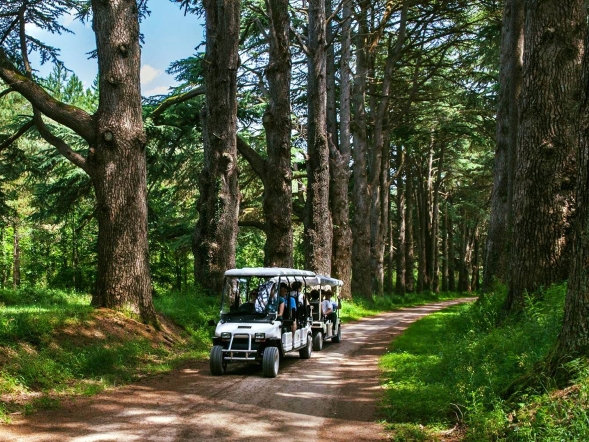
Visiteurs dans une voiturette électrique parcourant l'allée de cèdres centenaires.

Access the forested part of the estate

For half an hour, begin by discovering the tranquillity, charm and rare species of the forest park.

Aboard an electric vehicle driven by your guide, you travel along the majestic avenue of 157 Atlas and Lebanon cedars.

These giants are over 150 years old and stretch their impressive branches on either side of the path.

The route continues through areas planted with lime trees, sequoias, Corsican and Calabrian black pines, poplars and Douglas firs.

Keep your eyes open — you may spot some of the estate’s discreet inhabitants, such as roe deer, hinds and stags.
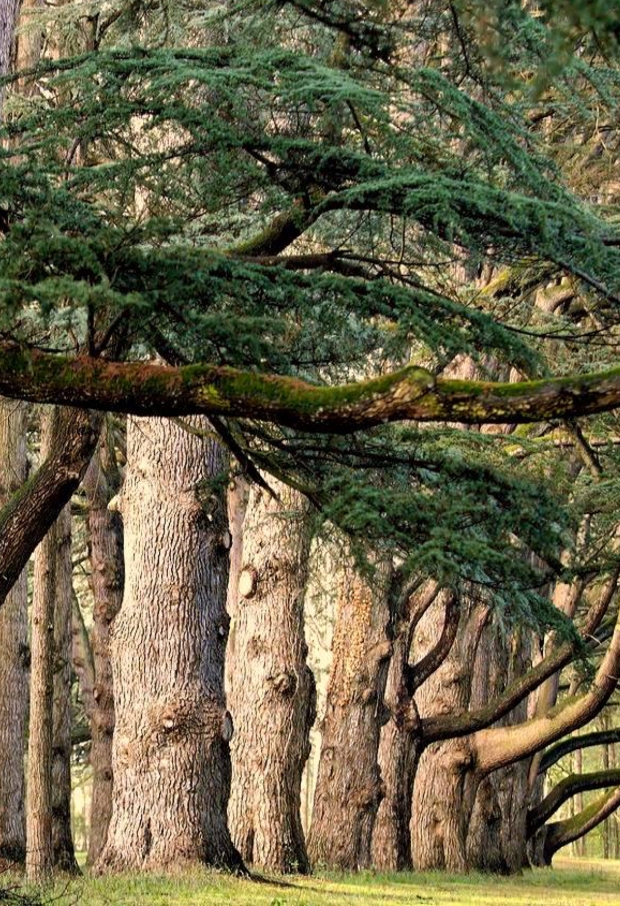
Allée des cèdres centenaires

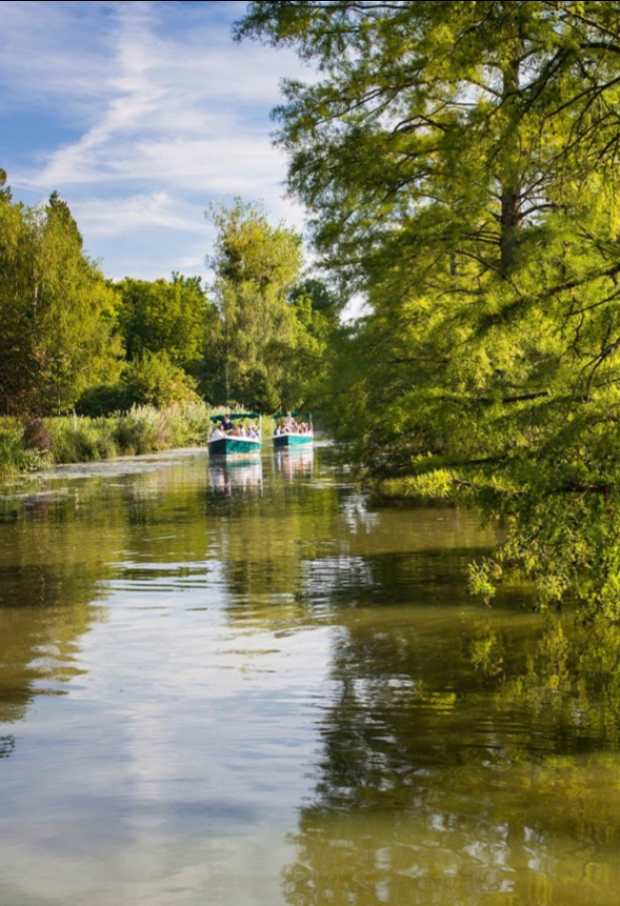
Then sail along the canal

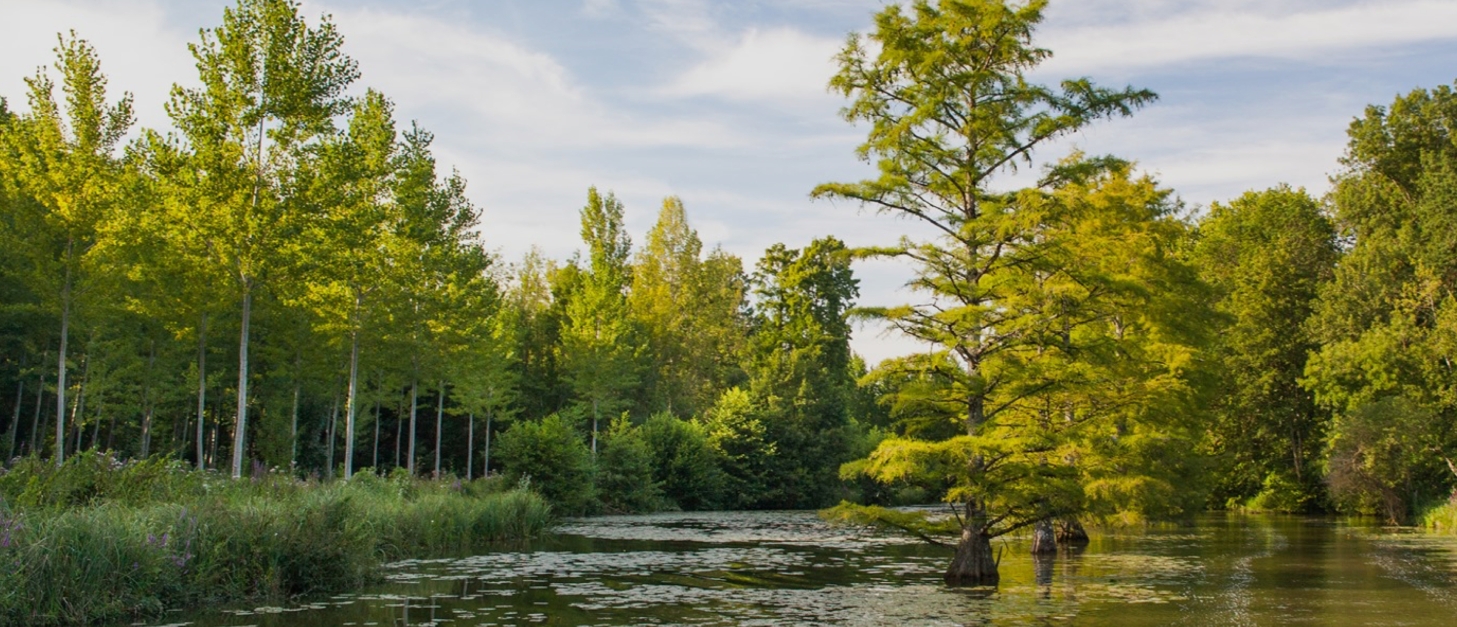
Aboard electric boats, travel up the canal, fed by a small tributary of the Conon.

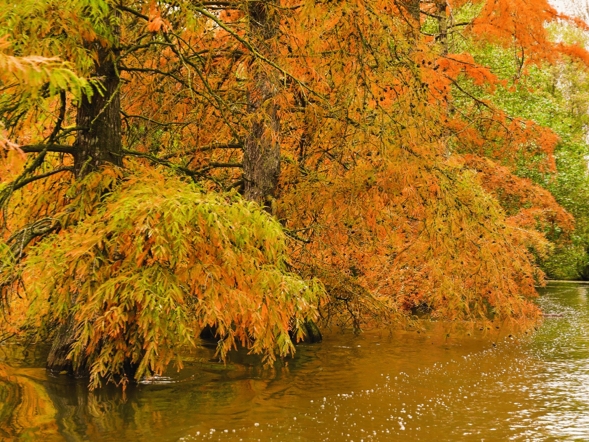
Here grow some very special trees with their feet in the water: bald cypresses from Louisiana.

In autumn, they turn a beautiful orange colour before shedding their foliage, which is why they are called “bald” cypresses.

A touch of America in the Loire Valley!

And with a bit of luck, your boat may cross paths with a few beavers.

Back on dry land, it is time to return after discovering the estate at a different pace, surrounded by birdsong and the gentle sound of water.
tulipPractical information

Tickets are purchased at the ticket office, without prior booking.

You will be offered a time slot among those still available.

Please arrive at least 5 minutes before your time slot at the departure point of the activity.

Included with the following tickets

tulipFrequently asked questions

How long does the activity last?

The activity lasts 30 minutes in total.

Can I drive or hire the electric vehicle or boat?

No. Throughout the activity, you are accompanied by one of our guides, who drives the vehicle and the boat and is responsible for your safety.

I have difficulty walking. Can I take part in this activity?

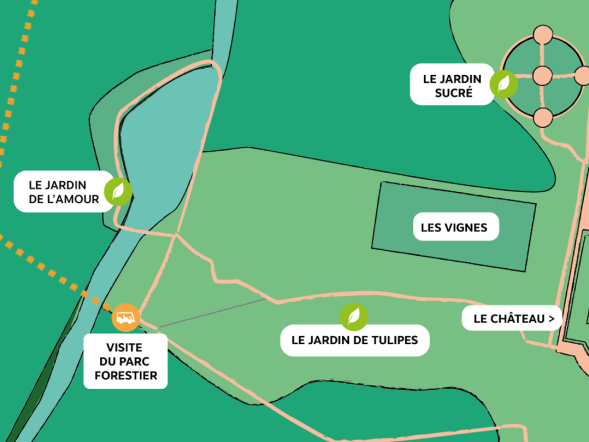
Yes. The activity requires no walking, except to reach the departure point, located near the Jardin de l’Amour and the picnic area.

The boats are stable, and boarding simply requires stepping up the equivalent of two steps (placing your foot on the bench and the boat’s edge).

Can I come with a baby?

Yes. Baby carriers are allowed on the vehicles and boats.

Pushchairs, however, must be left at the departure point.

A bit of history

Between 1820 and 1860, Paul de Vibraye (1809–1878), owner of the château and 8th Marquis de Vibraye, developed this part of the estate while also undertaking major restoration and modernisation works on the château.

Did you know?

Paul de Vibraye was passionate about archaeology.

He carried out numerous excavations, notably at Laugerie‑Basse, and in 1864 discovered the first known Palaeolithic representation of a woman: the “Vénus Impudique” or “Venus of Vibraye”, now held at the National Museum of Natural History.

The forest park contains many remarkable species: Atlas and Lebanon cedars, lime trees, sequoias, Corsican and Calabrian black pines, poplars, Douglas firs and bald cypresses.

From the late 18th century onwards, a new type of garden emerged — first in England — where nature became the model.

Vistas, surprises and varied species created a romantic and picturesque atmosphere in landscaped parks.