
From the 14th to the 16th centuries: the foundations of the estate and the old castle.
At the end of the 13th century, the Hurault family were part of the Blois bourgeoisie, acting as county suppliers. Thanks to their financial acumen, they climbed the ladder of power generation after generation. Ennobled in 1349 by Philip VI of Valois (1328-1350), it is the oldest family in France to have been ennobled by Letters Patent. It then continued its social ascent, occupying various positions as senior officials in the service of the Dukes of Orléans and then the Kings of France.
Did you know?
Philip VI ascended to the throne in 1328, after the death of Charles IV, to prevent the crown from passing to the House of Plantagenet. His reign was marked by the start of the Hundred Years' War and the Great Plague, but also by the annexation of Montpellier, Dauphiné and Burgundy to the kingdom.
In 1392, Jean Hurault purchased the Cheverny estate from Robert le Mareschau, which at the time consisted of nothing more than a simple house, a wine press and a vineyard.
A century later, Jacques Hurault expanded the estate and acquired the seigneuries of La Grange and Cheverny. In 1498, Louis XII (1498–1515) ascended to the throne, making Blois the court's main residence. This proximity to royal power opened up many opportunities for the region. Jacques Hurault, who had already held high office under Louis XI and Charles VIII, became the king's chief advisor, with the responsibilities of grand treasurer, general of finances, president of the chamber of accounts, but also alderman and governor of Blois under Francis I.
Did you know?
Jacques Hurault was the driving force behind the network of fountains in Blois, which was redesigned by Pierre de Valence from 1511 onwards.
To follow the fountain trail in Blois: click here.
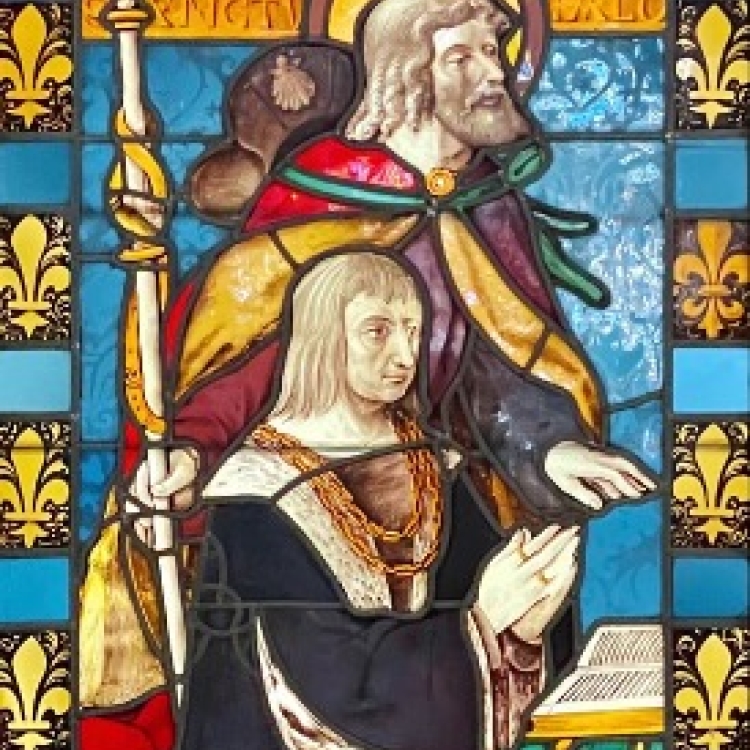
The influence of Jacques Hurault not only enabled the estate to be enlarged, but also led to the construction of the first fortified castle around 1510, thanks to his son Raoul and with the agreement of King Louis XII. All that remains from this period are a few vestiges of the outbuildings, notably mullioned windows, located in the current outbuildings. The fortress itself featured a chain drawbridge, embrasures, turrets and defensive moats.
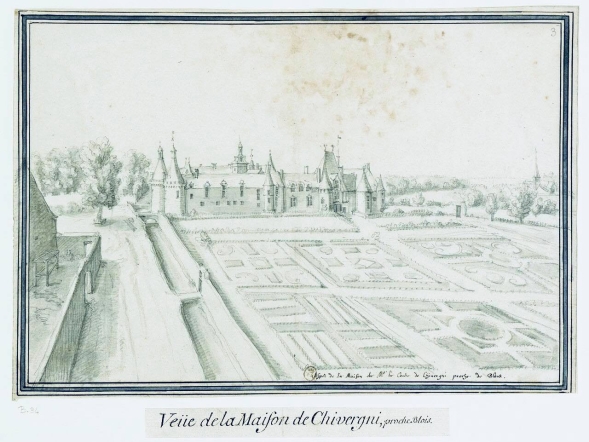
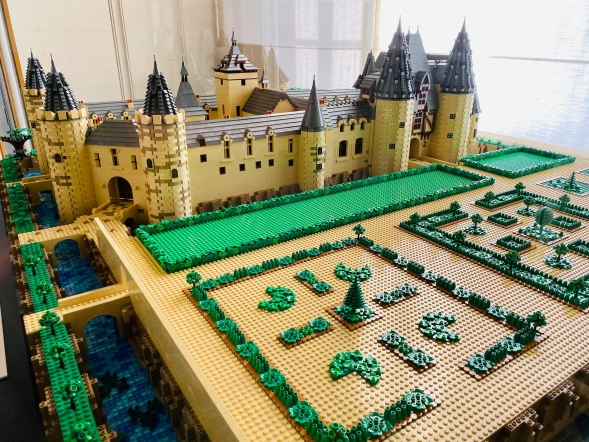
Raoul Hurault also obtained François I's approval for vassal concessions, so that the castle could accommodate the court during long stays, but this never happened. Raoul fell into disgrace when his father-in-law, then chief financial administrator to Francis I, was accused of failing to pay the wages of some of the troops in the Italian army. Although he explained that he had given the money to Louise of Savoy, he was found guilty and hanged, before being posthumously rehabilitated two years later.
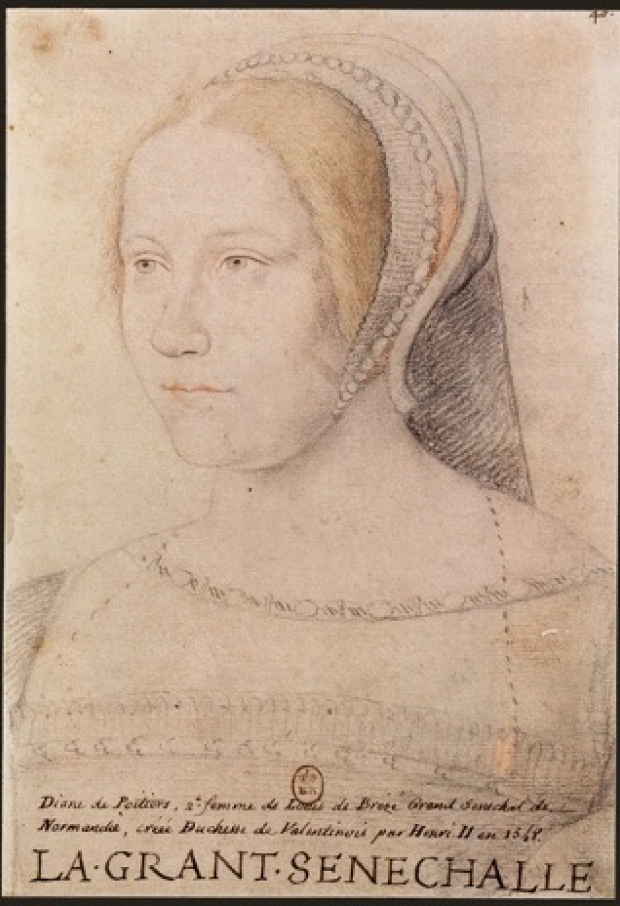
Raoul, meanwhile, joined the Italian army and died during the siege of Naples in 1528. His widow, Marie de Beaune, was forced to sell Cheverny to King Henry II's chaplain, who, in 1551, had to leave it to Diane de Poitiers.
Did you know?
Diane de Poitiers, then the powerful favourite of King Henry II, owned the Château de Cheverny for just over 13 years, from 1551 to 1564. She acquired it in order to supervise the work on Chenonceau, which Henry II had given her.
When the king died in 1559, Catherine de Medici took back Chenonceau and left the Château de Chaumont-sur-Loire to Diane de Poitiers in exchange. And it was from Cheverny that the former favourite supervised the work she undertook on her new château.
25 February 1564 marked the return of the château to the Hurault de Vibraye family. The brothers Jacques and Philippe succeeded in proving that there had been a procedural irregularity in the sale of Cheverny in 1537.
Diane de Poitiers then transferred it to Philippe Hurault, an important figure of the time.
25 February 1564 marked the return of the château to the Hurault de Vibraye family. The brothers Jacques and Philippe succeeded in proving that there had been a procedural irregularity in the sale of Cheverny in 1537.
Diane de Poitiers then transferred it to Philippe Hurault, an important figure of the time.
Indeed, Keeper of the Seals, Chancellor of the Order of the Holy Spirit, Philippe Hurault was twice Chancellor of France, from 1583 to 1588 under the reign of Henry III and from 1590 to 1599 under Henry IV.
Did you know?
The Chancellor of France is appointed by the King to manage the administration of justice in the Kingdom. He is responsible for issuing ordinances, edicts, declarations and letters patent, in accordance with the King's wishes.
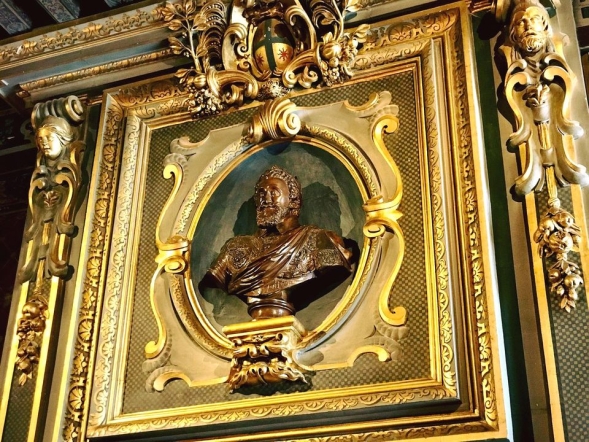
In 1577, King Henry III elevated the land of Cheverny to a viscountcy, then to a county in 1582. Despite his affinities with the League, Philippe Hurault was a close and loyal courtier to Henry IV and Marie de Medici. The king became the family's protector, as evidenced by his bust above the fireplace in the great dining room.
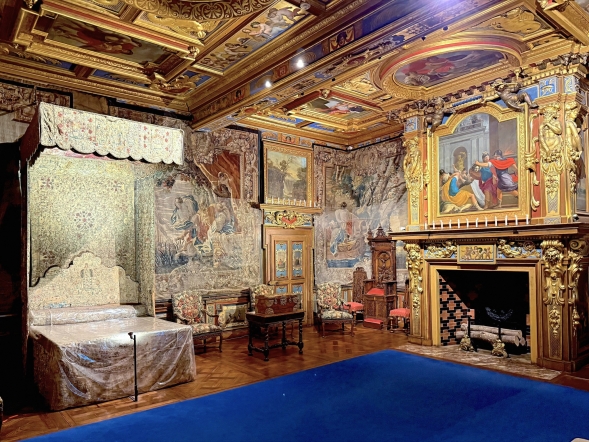
Henry IV was also the only King of France to sleep at Cheverny, in the old castle. His bed, which has been preserved, is on display in the "King's Bedroom".
The 17th century: splendour and construction of the new castle.
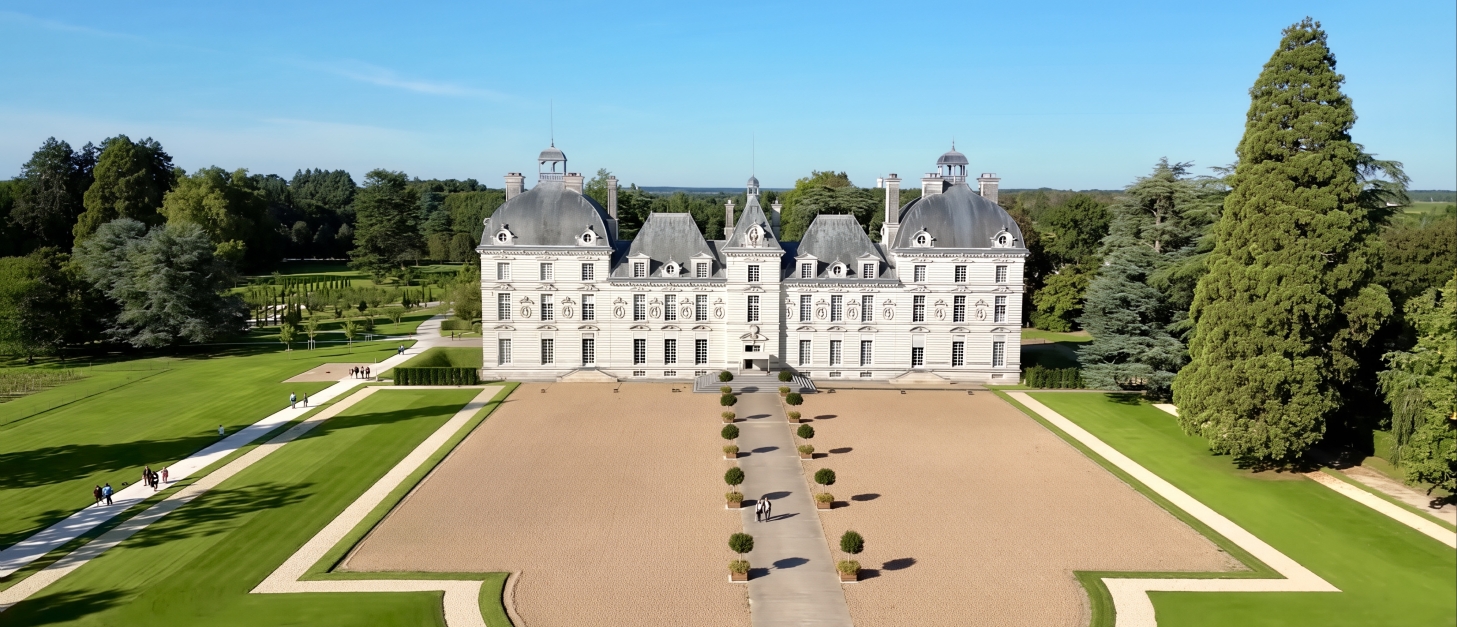
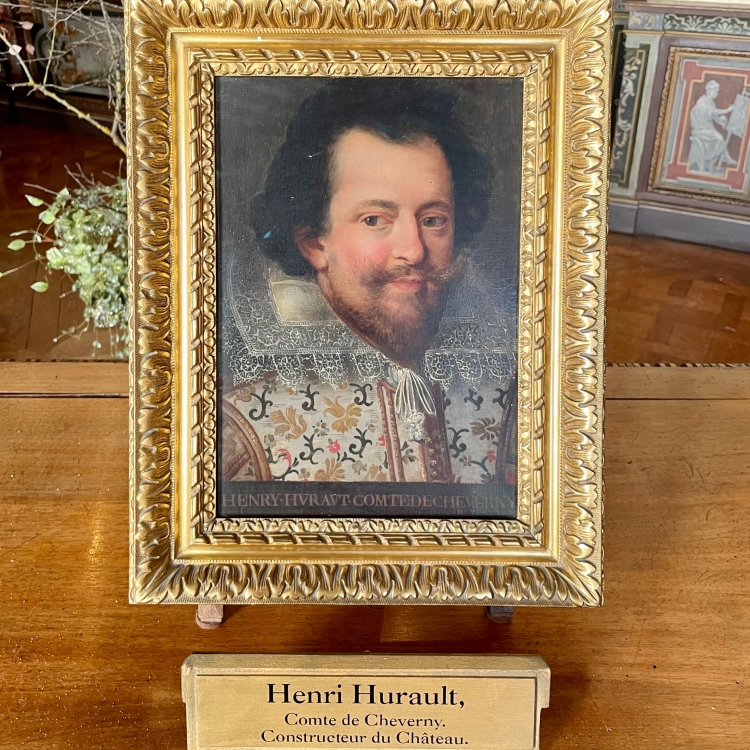
Philippe's son, Henri Hurault, married Marguerite Gaillard de la Morinière in his second marriage. From this union, the new château was born: "the marvel born of love".
Construction began in 1624, but the scale of the project was such that neither of them would live to see it fully completed. However, their intertwined initials, H and M, can be found in various places throughout the château and the Orangery, linking them together for eternity.
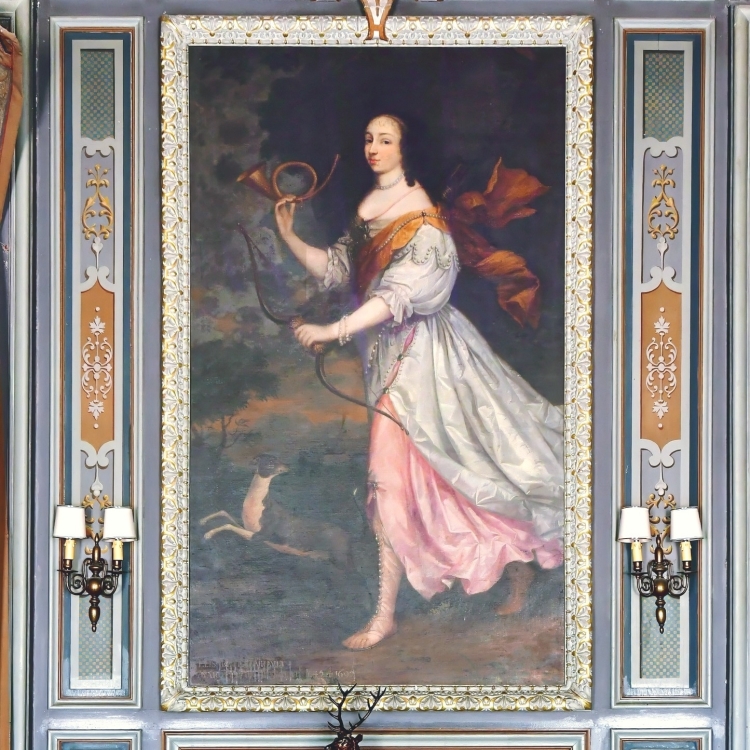
Their daughter Elisabeth, Marquise de Montglas, completed the interior decoration. At the heart of the précieux movement, she ensured that the décor reflected all areas of knowledge: literary, mythological and botanical. The result was splendid, prompting the Grande Mademoiselle, daughter of Gaston d'Orléans, to describe Cheverny as an "enchanted palace".
Did you know?
The Marquise de Montglas was the mistress of the famous pamphleteer Bussin-Rabutin, cousin of Madame de Sévigné. It was for the Marquise that he wrote the Histoire amoureuse des Gaules in 1660. This satire on the mores of Louis XIV's court, published without his approval, earned him 13 months' imprisonment in the Bastille, before he was exiled once again to his estates in Burgundy.
The 18th century and the search for a new lease of life.
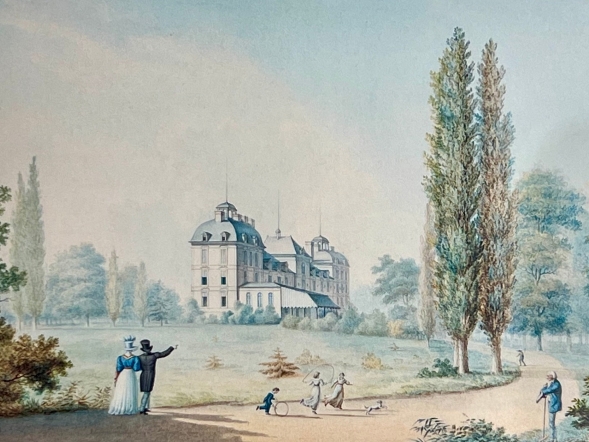
Elisabeth's son, who was ambassador to Denmark, bequeathed the castle to his cousin, who decided to sell it on 22 July 1755.
Owned by the Count of Harcourt until 1763, the château had lost all of its former splendour when it was bought by Jean Nicolas Dufort de Saint Leu, after the Marquis de Marigny, brother of Madame de Pompadour, decided not to purchase it.
Having become Count Dufort de Cheverny by letters patent from Louis XV in 1764, he moved into the château that same year and described the general state of the estate: wheat was growing up to the steps of the staircase and only five rooms were habitable!nbsp;
The former introducer of Louis XV's ambassadors therefore undertook the first restoration and acquired a large quantity of furniture and fireplaces. He also redesigned the layout of the rooms on the second floor and installed a theatre, where he and his guests would perform plays.
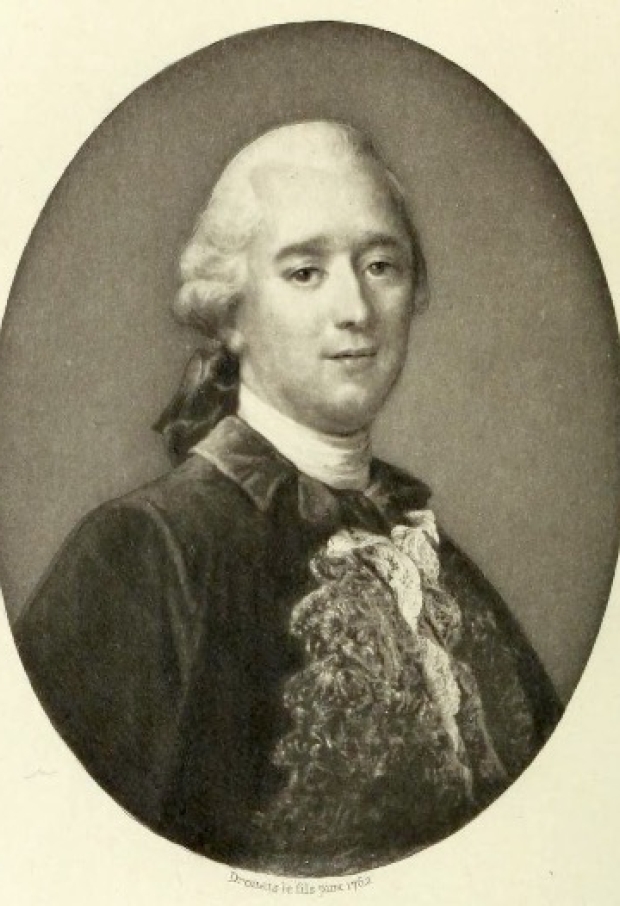
The Revolution came, leaving the château unscathed, but during the Reign of Terror, Dufort was imprisoned in Blois and died penniless in 1802.
The 19th century: the return of the Huraults.
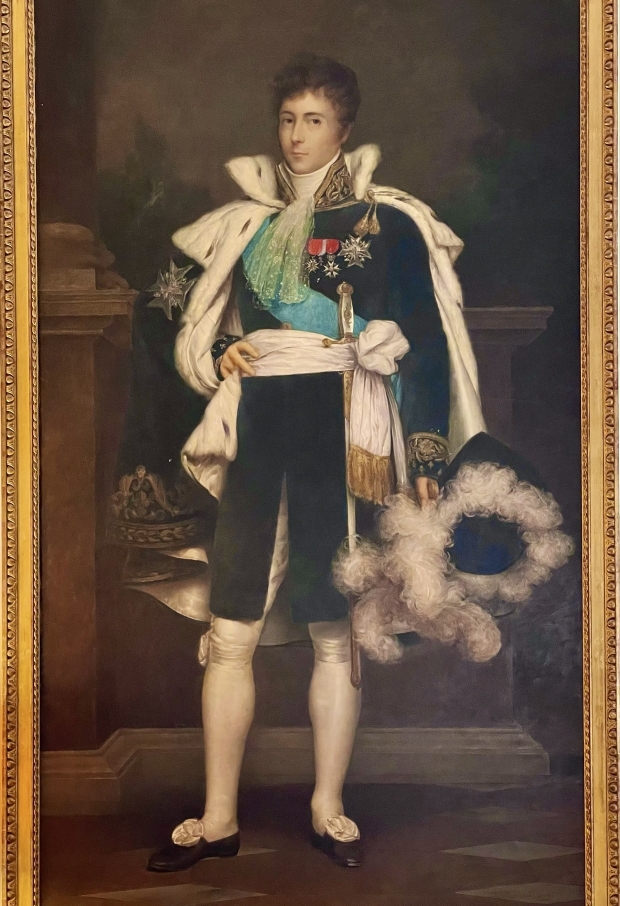
In 1825, after changing hands several times, the château returned to the Hurault family after a 70-year absence, thanks to Anne-Victor-Denis, Marquis de Vibraye, Peer of France and descendant of Raoul Hurault's fourth son.
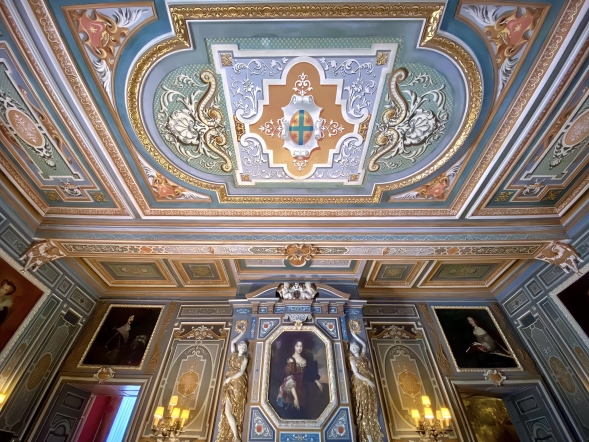
He also launched a restoration programme to bring the castle up to date with the polychrome ceilings, as can be seen on the ground floor, in the dining room and the large drawing room.
Did you know?
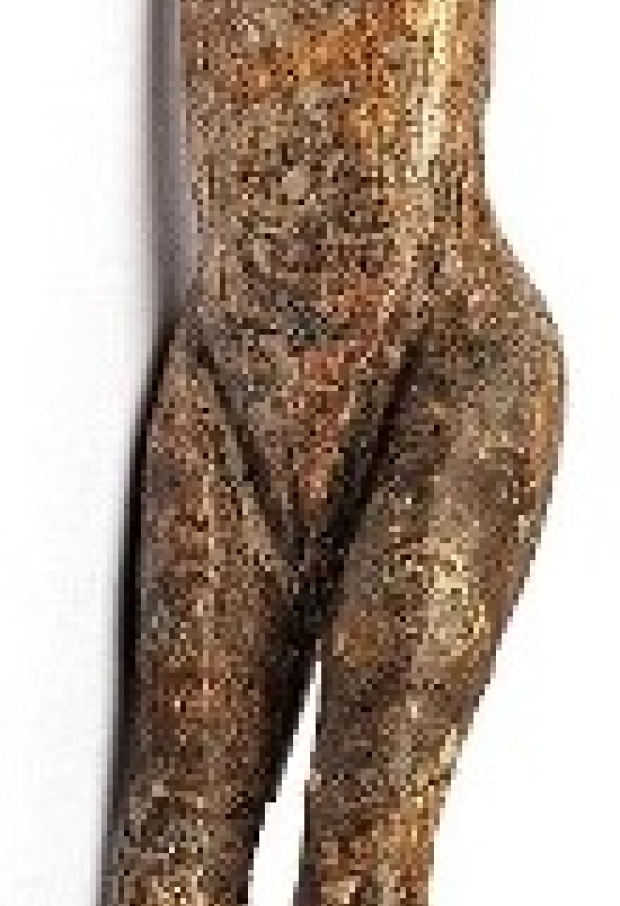
Paul de Vibraye was a palaeontologist! He undertook numerous excavations, notably at Laugerie-Basse, and in 1864 discovered the first Palaeolithic representation of a woman: the Venus of Vibraye. Today, it is housed in the National Museum of Natural History, along with his anthropological and prehistoric collection, which consisted of 4,335 objects in 1896.
The 20th century: the castle opens to the public.
The estate continued to be passed down from father to son, and the 11th Marquis of Vibraye, Philippe de Vibraye, decided to open the château to the public in 1922. This marked the beginning of a new adventure.
Did you know?
Opening to the public quickly led to the creation of tourist brochures. One of them caught the attention of a certain Hergé, and in 1942, he created Moulinsart, inspired by Cheverny. In 2001, in partnership with the Hergé Foundation, the permanent exhibition "The Secrets of Marlinspike Hall" was created in the castle's outbuildings.
Initially, only six rooms were open to visitors, but gradually more and more rooms were opened up: in 1985, the private apartments on the first floor, which had been inhabited until then, were opened to the public; in 2014, the chapel was added. Today, visitors can explore 17 rooms in the castle.
Following in the footsteps of Paul de Vibraye, the park opened to the public in 1994, when Charles-Antoine and Constance de Vibraye arrived at the château. Then the gardens began to take shape: first came the bouquet garden, followed by the apprentice garden in 2006, the maze in 2009, the tulip ribbon in 2014, the garden of love in 2019 and the sweet garden in 2020.